This was our second year supporting this study of migrating birds through the Tsavo West National Park. It is also the 53rd year of data collection. Over the years there has been a considerable reduction of birds captured. In 2010 20,000 birds processed in the period either side of the new moon was not impossible. Now, the night mists seem to happen less frequently and fewer birds are caught at night. This is the second year when we've been there and there has been no real need to rouse the entire team for a large night time catch. The catch total amounted to 8586 (tbc).
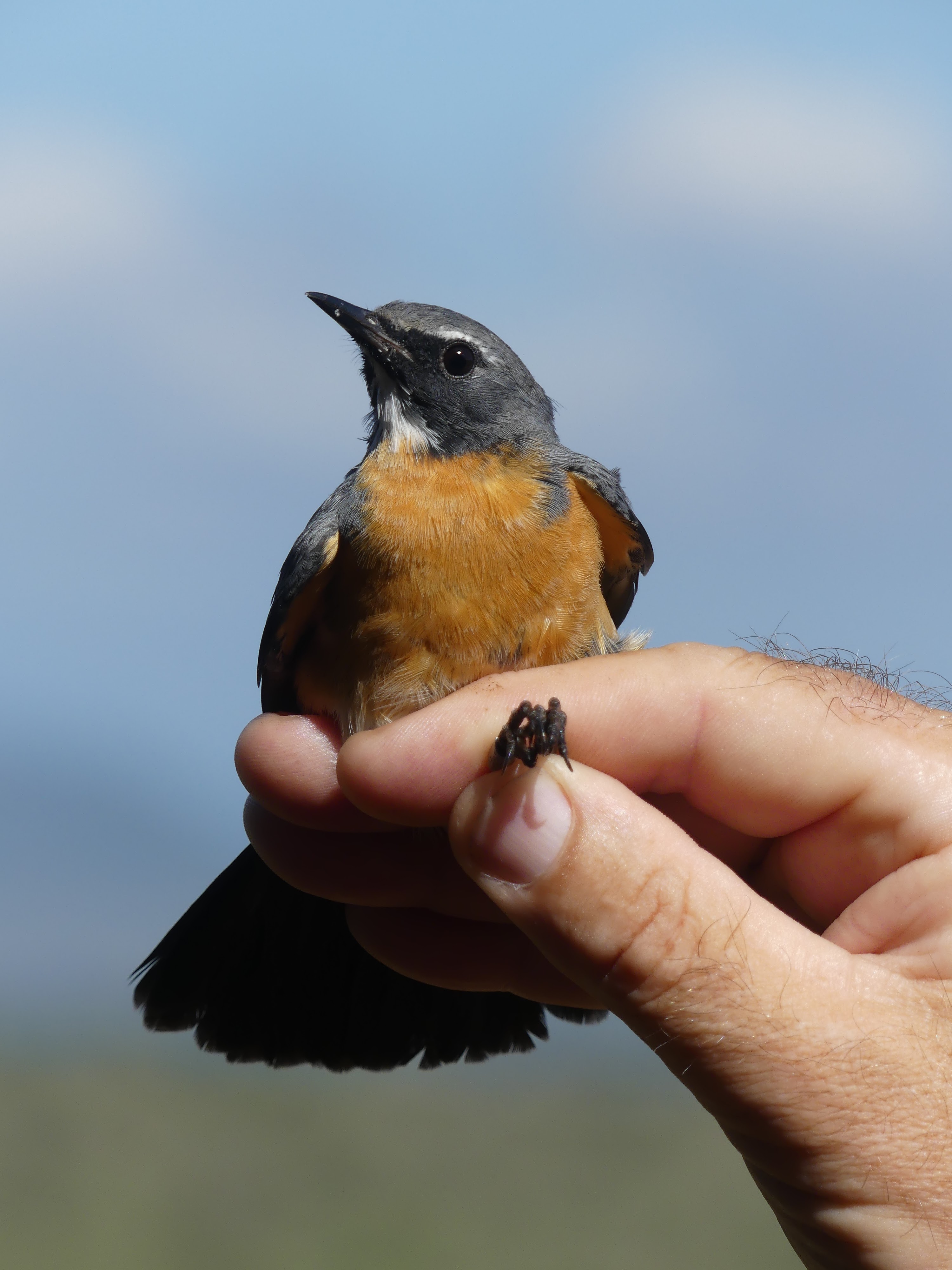
The main species captured are Whitethroat, Marsh Warbler and Thrush Nightingale, known locally as Sprossers. Other species encountered are Nightingale, Olive-tree Warbler, White-throated Robin (Irania), Upcher's Warbler, Eastern Olivaceous Warbler, Willow Warbler, Red-backed Shrike, Isabelline Shrike, Rufous Bushchat, Rock Thrush, Barred Warbler, Basra Reed Warbler (3 this year), Tree Pipit and Garden Warbler. European species are ringed on Stockholm rings.
The Afro Tropicals are ringed on rings from the East African Scheme, and are a challenge, there being no manual for aiding ageing.
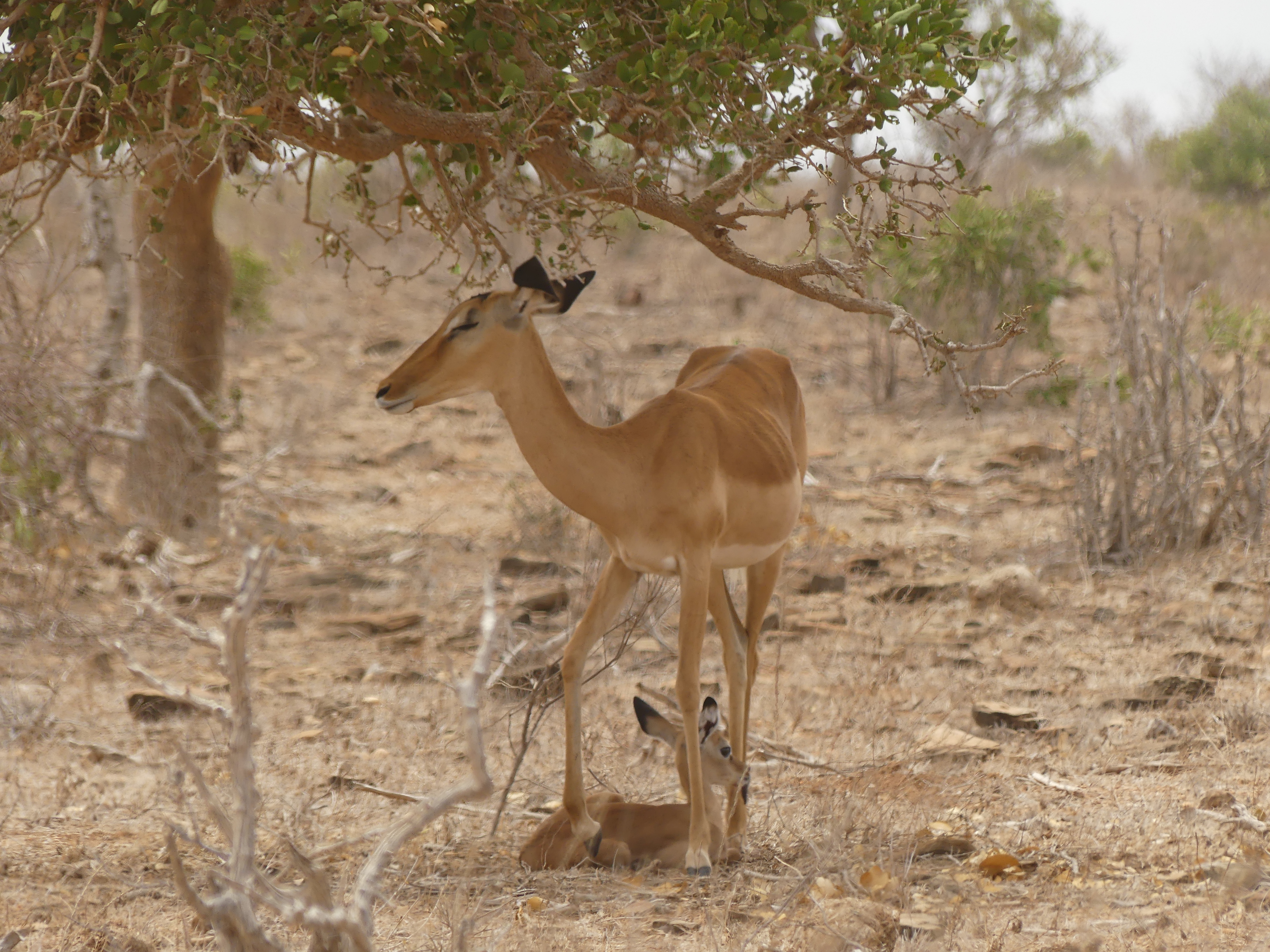
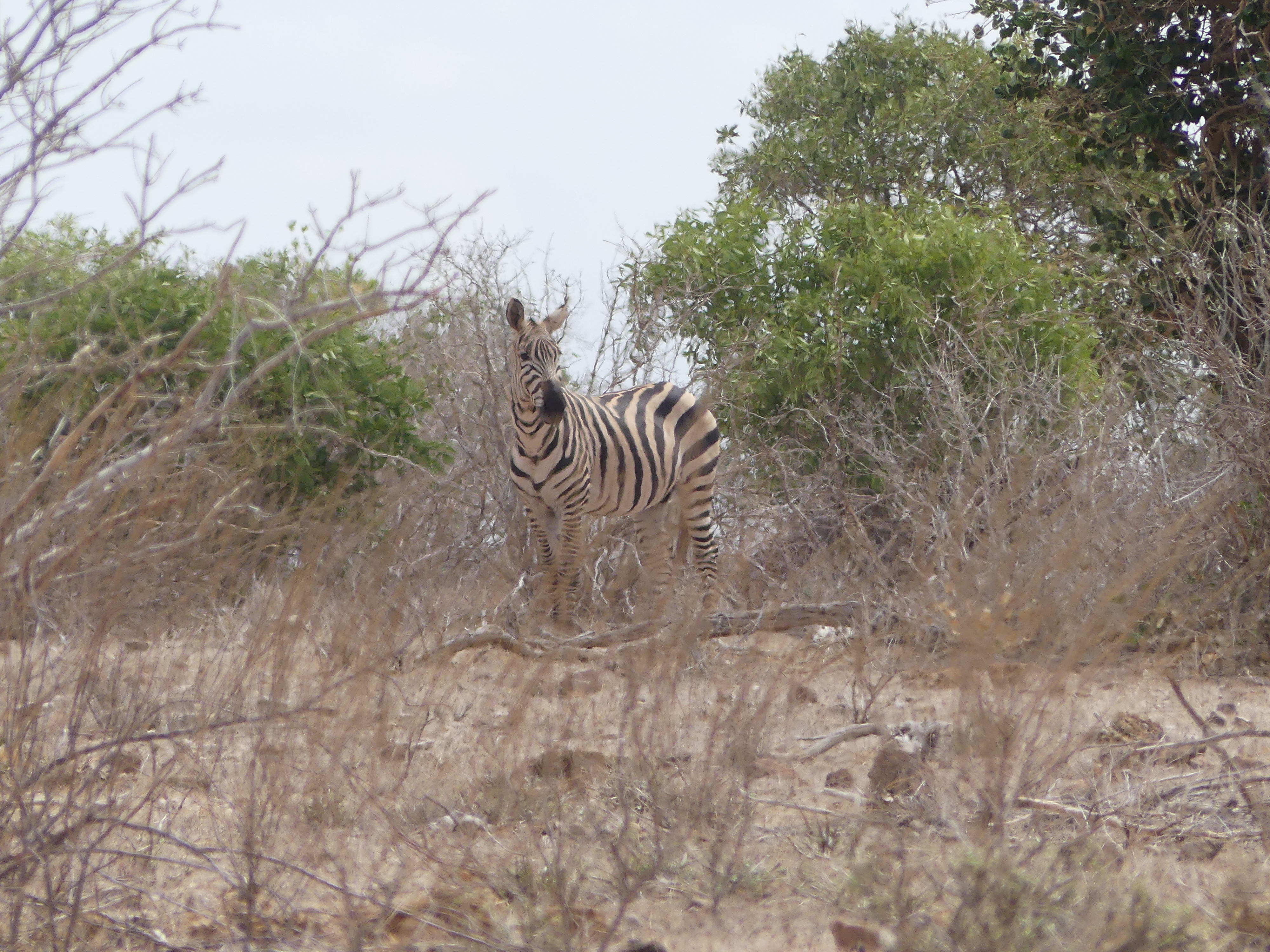
The birds in the hand will follow in a separate blog post, as will game drive images. Here I will include some of the stand out events of the experience.

Lights attract birds and insects from miles away.
On arrival it was already almost dark and several Nightjars were feeding around the lodge. Some birds made a regular habit of roosting above the restaurant and bar area. Plain, Dusky and Donaldson-Smith's were all captured.
Migration of European Roller, peaking on one day with rain and an emergence of termites that tempted some to feed. The birds were passing through for over an hour with reduced numbers moving through in the following days.
Another termite related phenomenon, eagles in the road collecting the emerging winged termites.
The birds are intent on feeding and do not readily fly up when approached by a vehicle.
This is how there came to be a Wahlberg's Eagle in room 52. The bird had been struck by a car and was picked up by some of the ringing team as they made their way to the lodge. The bird also had an eye injury. Through liaison with the Kenyan wildlife services arrangements were made for the bird to leave the park. It was flown out, by light aircraft, to a rehabilitation centre. The bird will not be able to return to the wild due to injuries sustained but will become part of the captive breeding programme from which healthy chicks are released to the wild. The centre also works to educate the general public about the birds of prey.
There was also a consistent passage of Amur Falcon. These birds were usually extremely high, dropping down only occasionally for hunting forays.
Amur Falcons and Rollers feed up before moving on
The insects were a continuous feature at the lodge. Somehow they always made their way into our room, they were in the restaurant, with all food and crockery covered at all times. This was essential as the lights were dimmed every evening and, in truth, you could not actually see what you were eating. I wore a skirt one evening, then resorted to trousers since the weevils happily crawled into any clothing. The large black beetles, some 10cm long, were around for a few days, terrible at righting themselves and quite happy to crawl over your feed. The termites arrived in clouds with the right conditions, and then there were always the moths. This may sound like an exaggeration, but it becomes clear just how many insects there were when you look at the screen put up for the word cup. It was necessary to clean it off periodically to see the action on the screen.
Screen after a wipe off
Termites join Chris at the bar for a 5am start
On the last day a passage of Chestnut Weavers was underway. We had a smaller team and there were intermittent showers. We caught 102 of them. Too busy for pictures I'm afraid.
Ngulia is known for the Leopard that comes to feed. This can be unsettling as the nets are actually behind the feeding station. Usually, it steers clear of the ringers but one morning, heavy mist and bushes heaving with birds, it turned up and mooched around for 10 minutes. By the time it was safe for us to go out the sun was coming up and many birds departed before nets were set.
The Leopard also turned up one night while we were extracting. Fortunately, it left us alone, but there are definitely now at least two animals so perhaps behaviour is not as predictable as in the past.
This is the Leopard that we saw most often, including when we were out at the night net.
This is the second animal, duskier head, thicker set and probably male.
There were no foreign controls this year, disappointing but perhaps not surprising considering the way all activities were disrupted during Covid. There was however a returning Didric Cuckoo, ringed by me (DKL) in 2019.
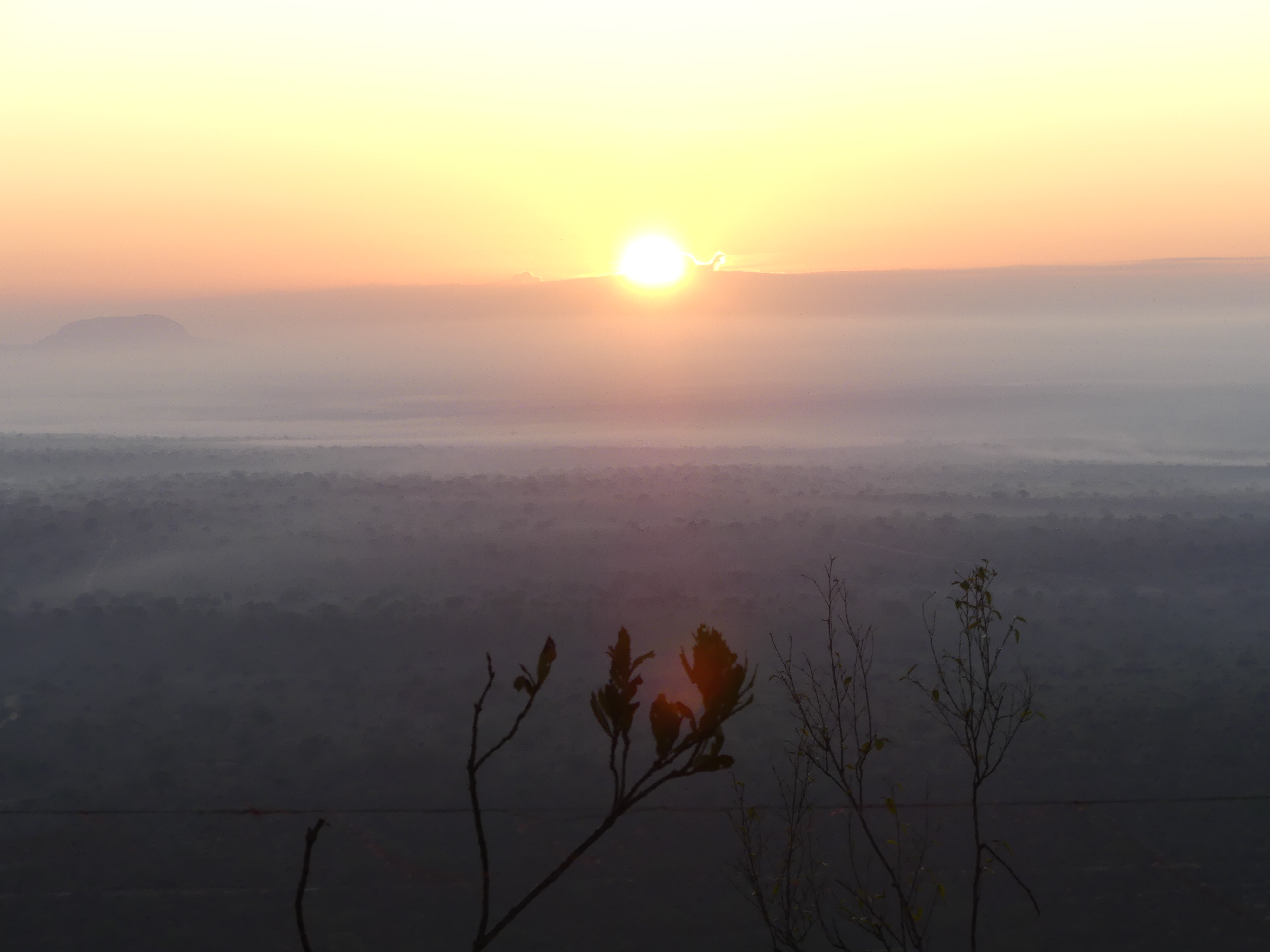
The dawn across the savannah and Acacia woodland is stunning and never the same on any two days.