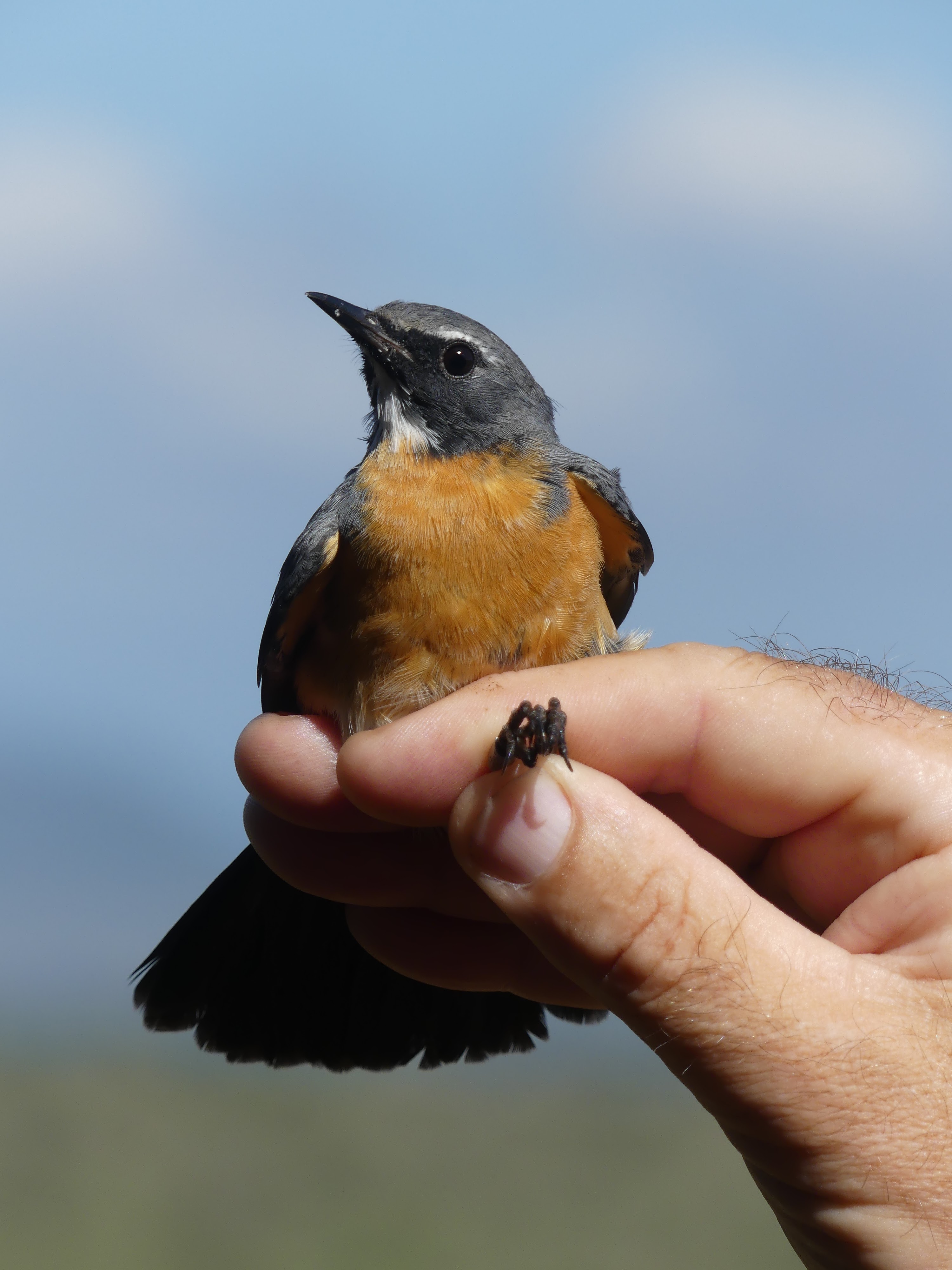
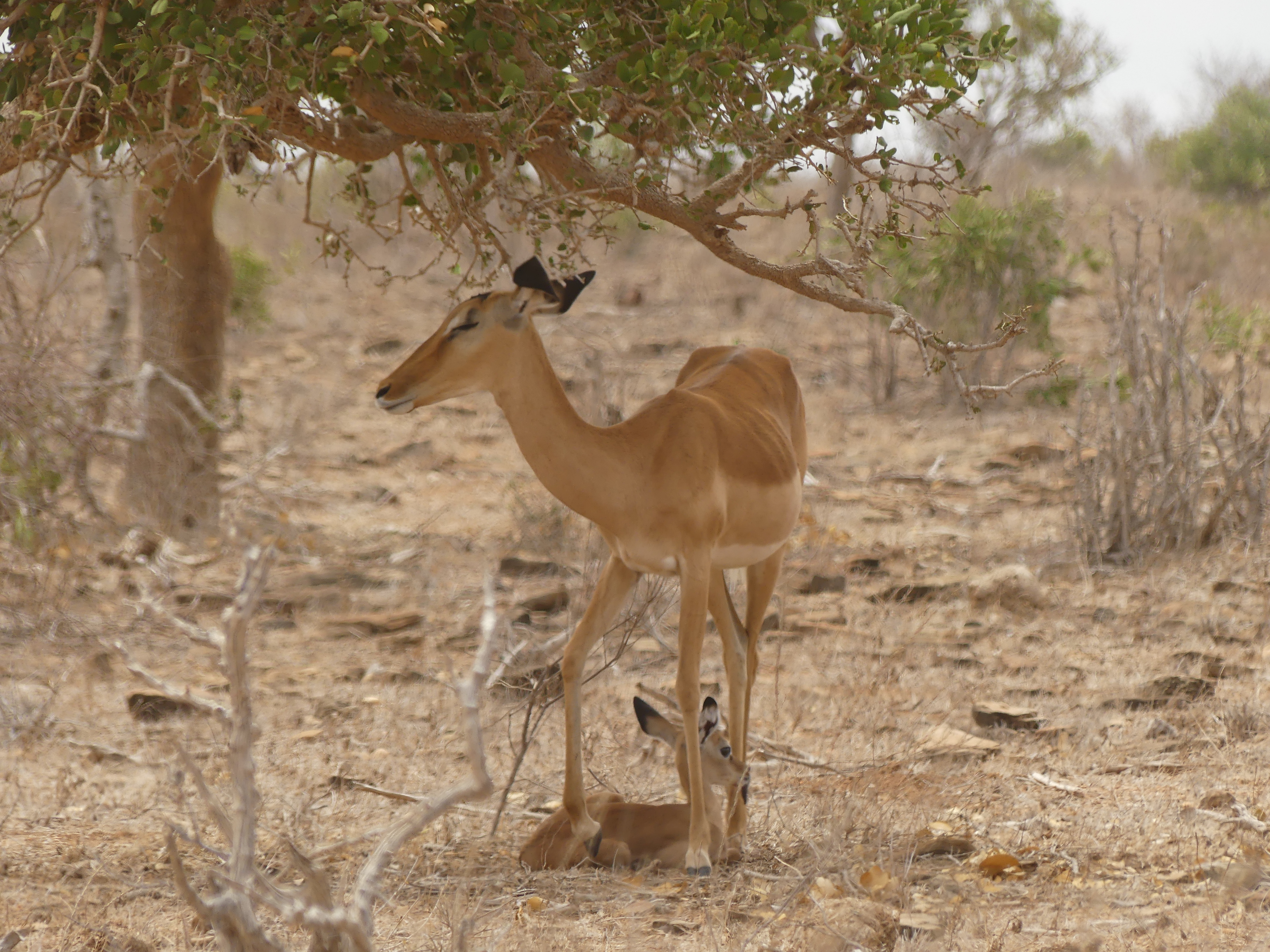
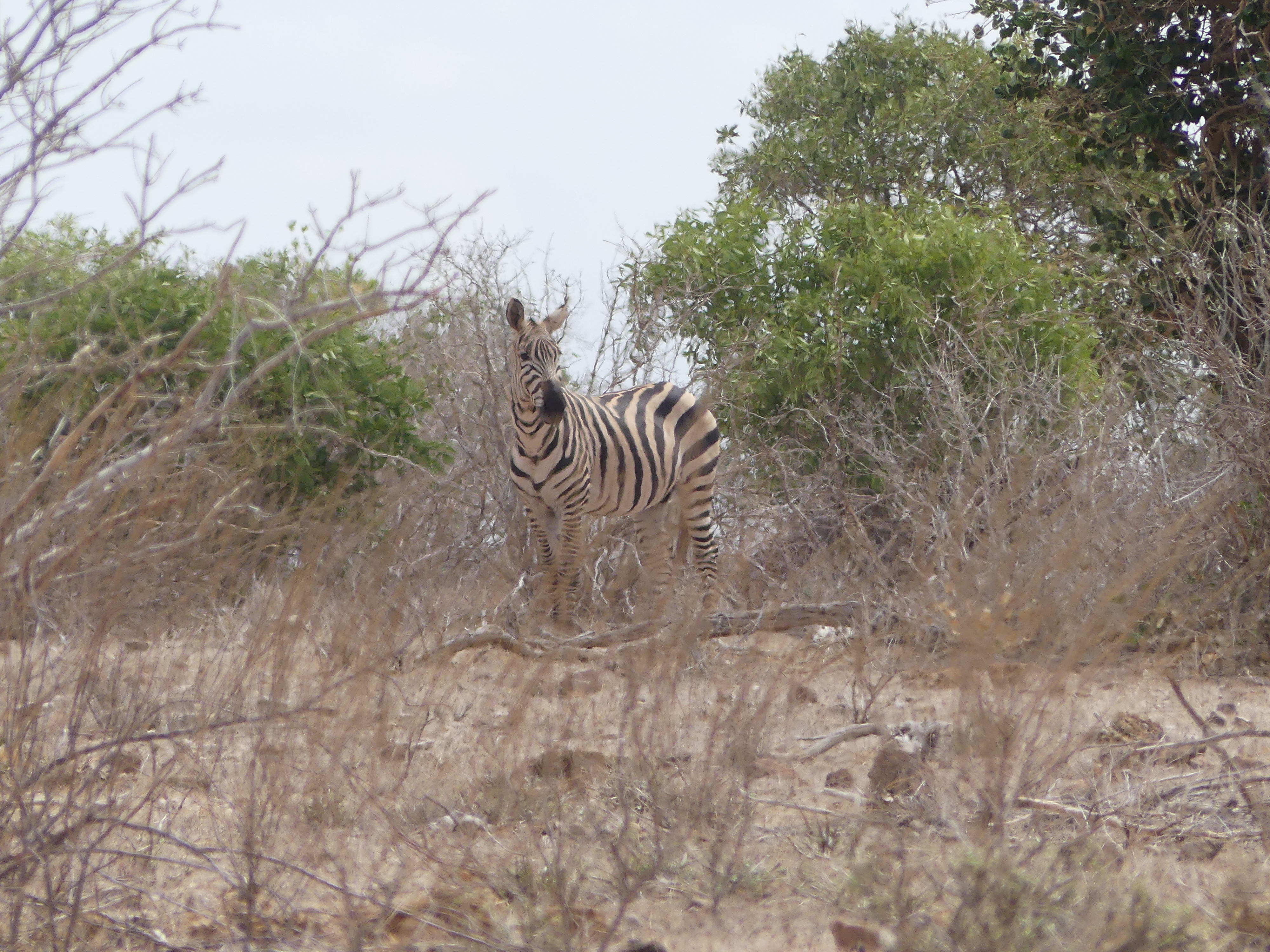
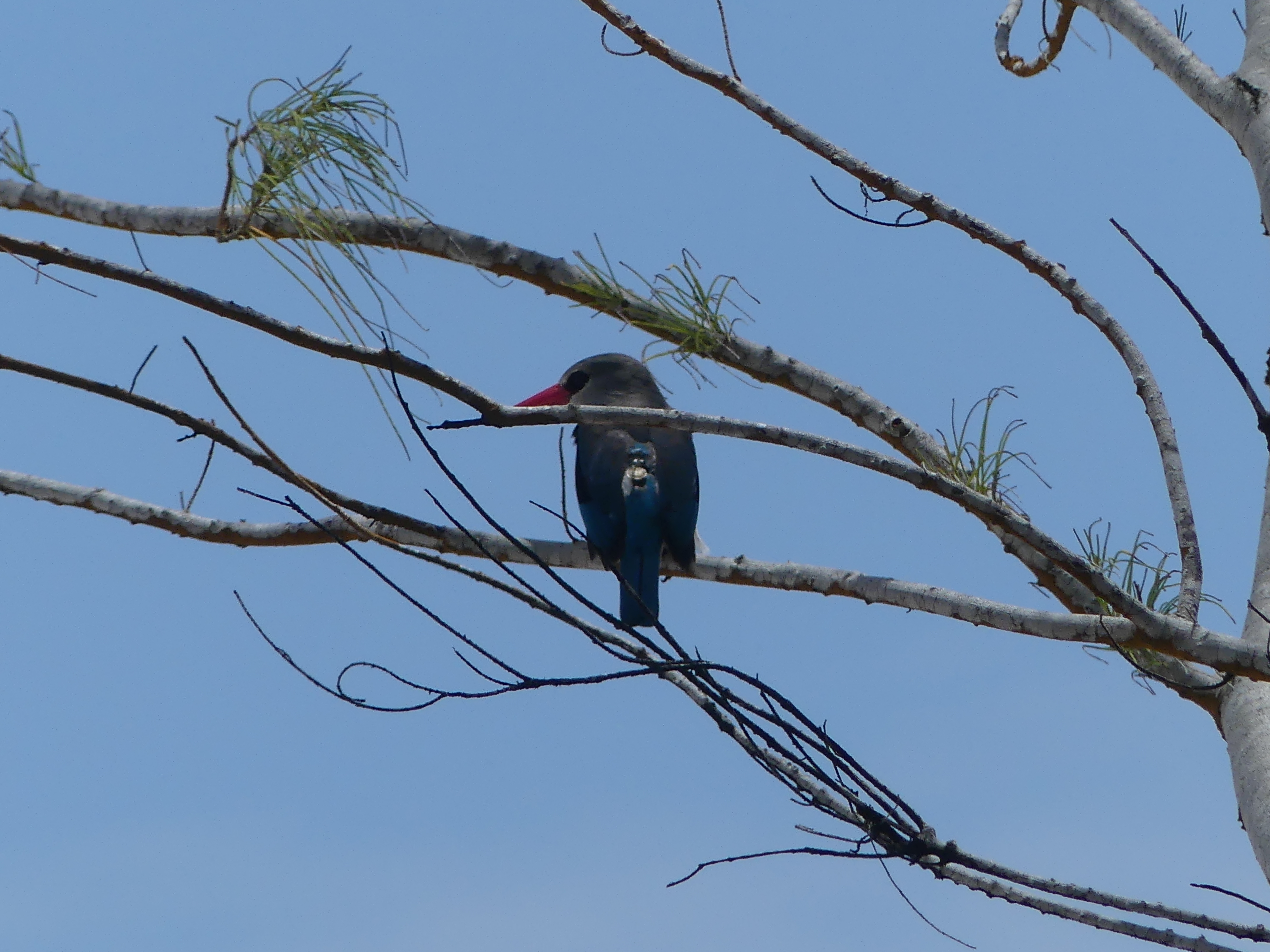
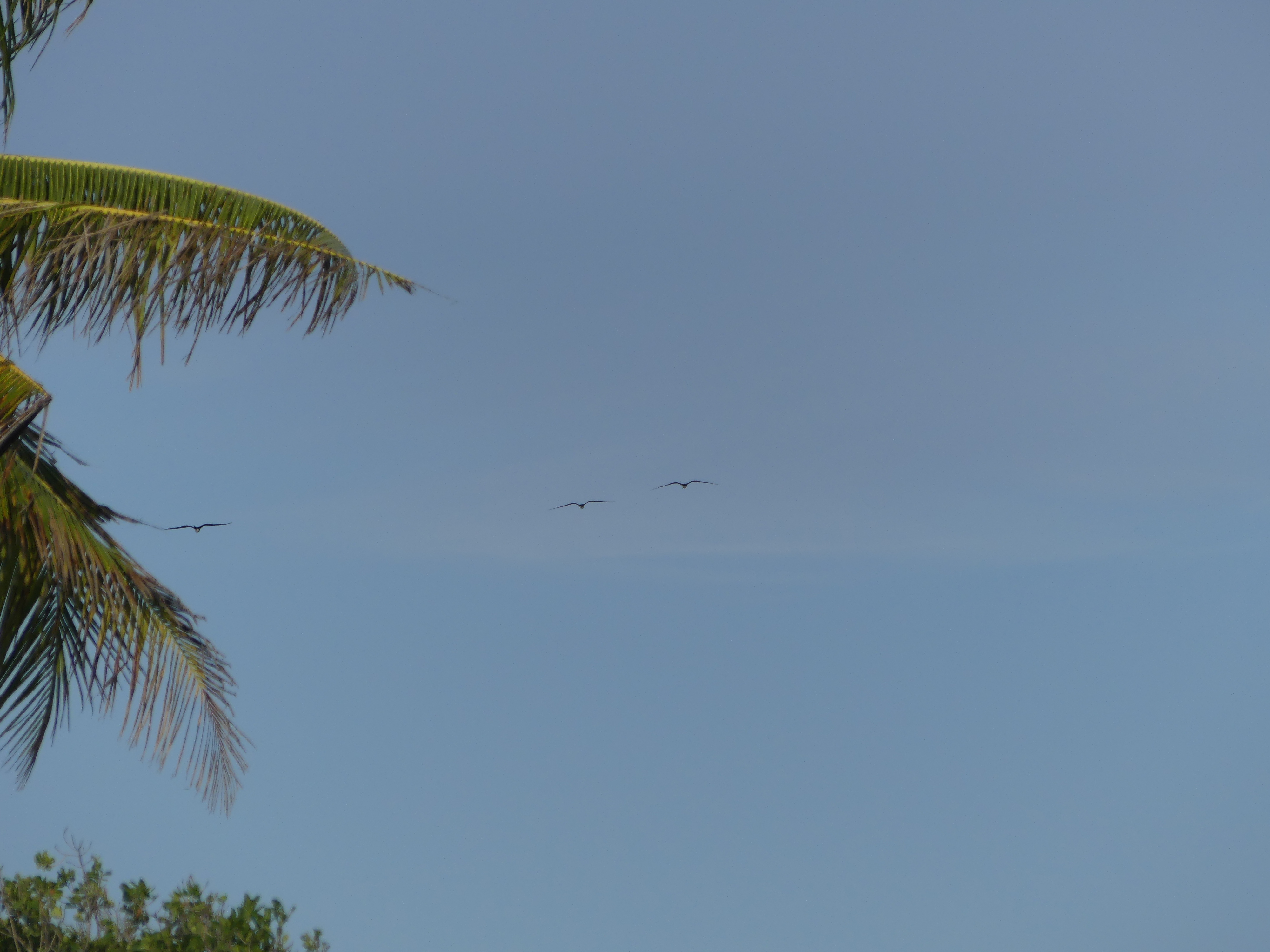
It was quite busy at times, but managed to photograph these captures.
A round up of our bird ringing activities (all birds ringed under licence from the British Trust for Ornithology with schedule one authority where appropriate), birding trips and other wildlife sorties within the UK and whenever we get chance, elsewhere.
Tuesday, 6 December 2022
Ngulia, birds in the hand - 18-30 November 2022
A Rocha ringing project Ngulia, Kenya - 18th November - 30th November 2022
This was our second year supporting this study of migrating birds through the Tsavo West National Park. It is also the 53rd year of data collection. Over the years there has been a considerable reduction of birds captured. In 2010 20,000 birds processed in the period either side of the new moon was not impossible. Now, the night mists seem to happen less frequently and fewer birds are caught at night. This is the second year when we've been there and there has been no real need to rouse the entire team for a large night time catch. The catch total amounted to 8586 (tbc).
The main species captured are Whitethroat, Marsh Warbler and Thrush Nightingale, known locally as Sprossers. Other species encountered are Nightingale, Olive-tree Warbler, White-throated Robin (Irania), Upcher's Warbler, Eastern Olivaceous Warbler, Willow Warbler, Red-backed Shrike, Isabelline Shrike, Rufous Bushchat, Rock Thrush, Barred Warbler, Basra Reed Warbler (3 this year), Tree Pipit and Garden Warbler. European species are ringed on Stockholm rings.
The Afro Tropicals are ringed on rings from the East African Scheme, and are a challenge, there being no manual for aiding ageing.
The birds in the hand will follow in a separate blog post, as will game drive images. Here I will include some of the stand out events of the experience.
Migration of European Roller, peaking on one day with rain and an emergence of termites that tempted some to feed. The birds were passing through for over an hour with reduced numbers moving through in the following days.
This is how there came to be a Wahlberg's Eagle in room 52. The bird had been struck by a car and was picked up by some of the ringing team as they made their way to the lodge. The bird also had an eye injury. Through liaison with the Kenyan wildlife services arrangements were made for the bird to leave the park. It was flown out, by light aircraft, to a rehabilitation centre. The bird will not be able to return to the wild due to injuries sustained but will become part of the captive breeding programme from which healthy chicks are released to the wild. The centre also works to educate the general public about the birds of prey.
There was also a consistent passage of Amur Falcon. These birds were usually extremely high, dropping down only occasionally for hunting forays.
Tuesday, 22 November 2022
Via Tsavo East to Ngulia - 18th November 2022
To reduce the miles to be travelled and avoid police and lorries for much of the way we opted to pay the park charge and cross through Tsavo East. There had been rain forming torrents in places so the road had been graded the whole way giving a bone shaking, vehicle rattling drive. It wasn’t long before we had to cross an extremely muddied stretch of road, luckily a safari vehicle was crossing the opposite way, so we waited for each other ready to tow if necessary. We only saw two other vehicles on the entire drive through. We didn't divert from the track searching for animals, but still saw a good number.
Large swathes of the habitat had dried to a crisp, looking
extremely inhospitable to all but the most specially adapted species. The river
was now in spate, starkly contrasting with the arid sections seen.
There was game to be seen and we enjoyed viewing the species that we found.
Sunday, 20 November 2022
Watamu, Kenya 12th - 18th November 2022,
There was only a very brief overnight stay in Nairobi before heading east to Watamu on the coast, adjacent to the Indian Ocean. It's been a week of ups and downs. It was a long drive, over 8 hours, hampered by the clapped out HGVs that trundle along the road between Nairobi and Mombasa. These fume belching hulks are sent over from other non-European countries, once their working lifespan has expired. They are extremely polluting and very slow.
Much of the road has a solid yellow central line, indicating
that overtaking is not allowed. It is completely ignored by all, not being a
matter of safety. Otherwise it would take much longer to get anywhere. Even the
lorries overtake on it when able. So, that was how we became the victims of
the Kenyan Police. We crossed the line, were seen and were also white. There
are no on the spot fines in Kenya, but we were given the option to pay 15,000
Shillings to avoid appearing at court in 3 day’s time. The court was close to
where the offence occurred and we still had a long way to drive.
We began negotiating, making a fuss as we didn’t have enough
money on us and eventually got it down to 4,000 Shillings, ‘One note for each
of you’ as Chris said, equivalent to about £35.00 and around £900 each. You can buy a great deal
with that in Kenya.
We finally made it to A Rocha, Kenya where we were staying
and food had been saved for us. We hadn’t eaten since breakfast so were quite
hungry.
The area is known for the marine reserve and its coral reef, and the white sand and fossilised coral rocks are beautiful against the azure sea.
Our plan was to go birding, some independent and some with guides. On the first day we looked around the little nature reserve where most of the scientific works takes place, notably bird ringing and moth catching. It was already very hot by 7:30am but we continued on to walk through the coastal scrub. We saw a few different birds but noticed a Mangrove Kingfisher with a data logging backpack. Much of the rest of the day was spent in the shade – it was just too, too hot. There had been no rain there since May. When we mentioned the backpack it was at first thought to be a juvenile that had been processed the week before, but as it was an adult it had been wearing the equipment some time. There were efforts to catch it but no luck unfortunately.
I will not include a full list of sightings but just add
some highlights.
A grab and smash episode with a Syke’s Money at breakfast
was exciting. It didn’t get much but knocked plates flying in its effort to
escape. This bold behaviour was also the reason for a locking hook on the
fridge.
A personal favourite from a day with Willy the guide was
Sokoke Scops Owl. Discovered in the forest reserve in 1965. They were caught in
mist nets, in use for a bat survey, and had not been known of before. They are
endemic to the 402KM square reserve and to this day a nest has never been
found.
The Golden-rumped Elephant Shrew were also fascinating to see, more like a miniature Tapir than a shrew.
Unfortunately we picked up a puncture in the forest and a flat tyre next morning meant that we didn’t make it to the high tide wader count at Mida Creek. After getting help at the lodge the tyre was removed for repair, but because the spare had been chained under the car to prevent theft, we lost most of the morning. So glad not to have been on the side of the road trying to find someone with a hacksaw to release the spare! Crab Plovers were the star attraction when we eventually got there, accompanied by a nice mix of other waders. The Mangroves were also interesting to see as was the rickety board walk with the planks of different sizes, and spacing, some missing altogether and the peculiar single rope on either side that differed in height depending on which section you were crossing.
There was a lake that we went to look across, but some much
needed rain made the tracks slippery, and the dry tracks around the shrunken
pool, swelled by the rains were submerged. We didn’t get too close but Chris
managed to find some ducks and waders.
The second guided trip was to the river mouth at Sabaki, again lots of waders, gulls and terns. Jarou, our guide, wasn’t a patch on Willy and he didn’t know about the birds, but was paid mainly to ensure the safety of the vehicle and for showing us the place where we could see birds. Later he took us to see Hippos and Flamingoes(that we’d noticed from the bridge) and there we were very pleased to see African Wild Cat. Of course, not being as large as the Hippos, Jarou couldn’t see it.
The other highlight was returning to the accommodation to be
called to see 3 birds disappearing into the distance. They turned out to be
three Lesser Frigate birds only 3 or 4 previous records.
Monday, 7 November 2022
Little Snoring Garden - November 2022
We were away from the 10th onwards so had a very limited time to ring in the garden this month. It was still possible to ring 48 new birds and recapture 27.
There was an influx of Blackbirds, some with continental features, that matched the number of new Blue Tit. Also 2 Blackcaps, most likely European birds that have migrated to the UK to over winter.
Song Thrush - 1
Dunnock - 1 (6)
Long-tailed Tit - 1
Blue Tit - 10 (13)
Coal Tit - 2 (1)
Great Tit - 4 (4)
Goldfinch - 9 (1)
Greenfinch - 3
House Sparrow - 5
Farm in West Norfolk - 6th November 2022
Today was the first day mist netting at the farm. The chosen site, close to farm buildings incorporates the hedgerow and buffer strip planted especially to feed wild birds with additional supplementary feeding. We hope this will work, both as a winter Constant Effort Site and for capture of Tree Sparrows.
It was a problematic session, with heavy, threatening clouds that brought one heavy shower before the expected downpour late in the morning. It was necessary to close the nets once before nets were taken down for 11:30am. However, a catch of 43 birds, albeit no Tree Sparrows as yet, proved this to be a good choice of location for the new CES.
Leading species was Dunnock, including the retrap of a juvenile bird with a UK ring.
Total: 42 (1)
Wren - 3
Robin - 6
Dunnock - 9 (1)
Blackbird - 3
Long-tailed Tit - 7
Blue Tit - 7
Great Tit - 3
House Sparrow - 4
Wednesday, 2 November 2022
Little Snoring Garden - October 2022
There was a definite trend of more birds passing through the garden this month. Blackbirds, Greenfinch and Goldfinch being the species with the greatest increase in visits, in fact most numerous species captured was Goldfinch, well ahead of Blue Tit.
The House Sparrows have started using the feeders from time to time and least expected species was a single Starling.
A couple of retraps reappeared after 11 months without a capture at the feeders, Goldfinch S489843 and Blackbird LC56849.
Totals: 167 (76)
Great Spotted Woodpecker - 0 (1)
Woodpigeon - 3
Robin - 1 (3)
Dunnock - 0 (16)
Blackbird - 7 (3)
Long-tailed Tit - 3 (1)
Blue Tit - 38 (23)
Coal Tit - 6 (4)
Great Tit - 17 (16)
Chaffinch - 4 (1)
Greenfinch - 16 (2)
Goldfinch - 56 (4)
House Sparrow - 15 (2)
Starling - 1